
Ceiling Stains Under Drains
Inside The Building
Ceiling tiles brown out in a circle below each roof drain.
On The Roof
Drain bowls or clamping rings have loosened, and water seeps around them into the deck.
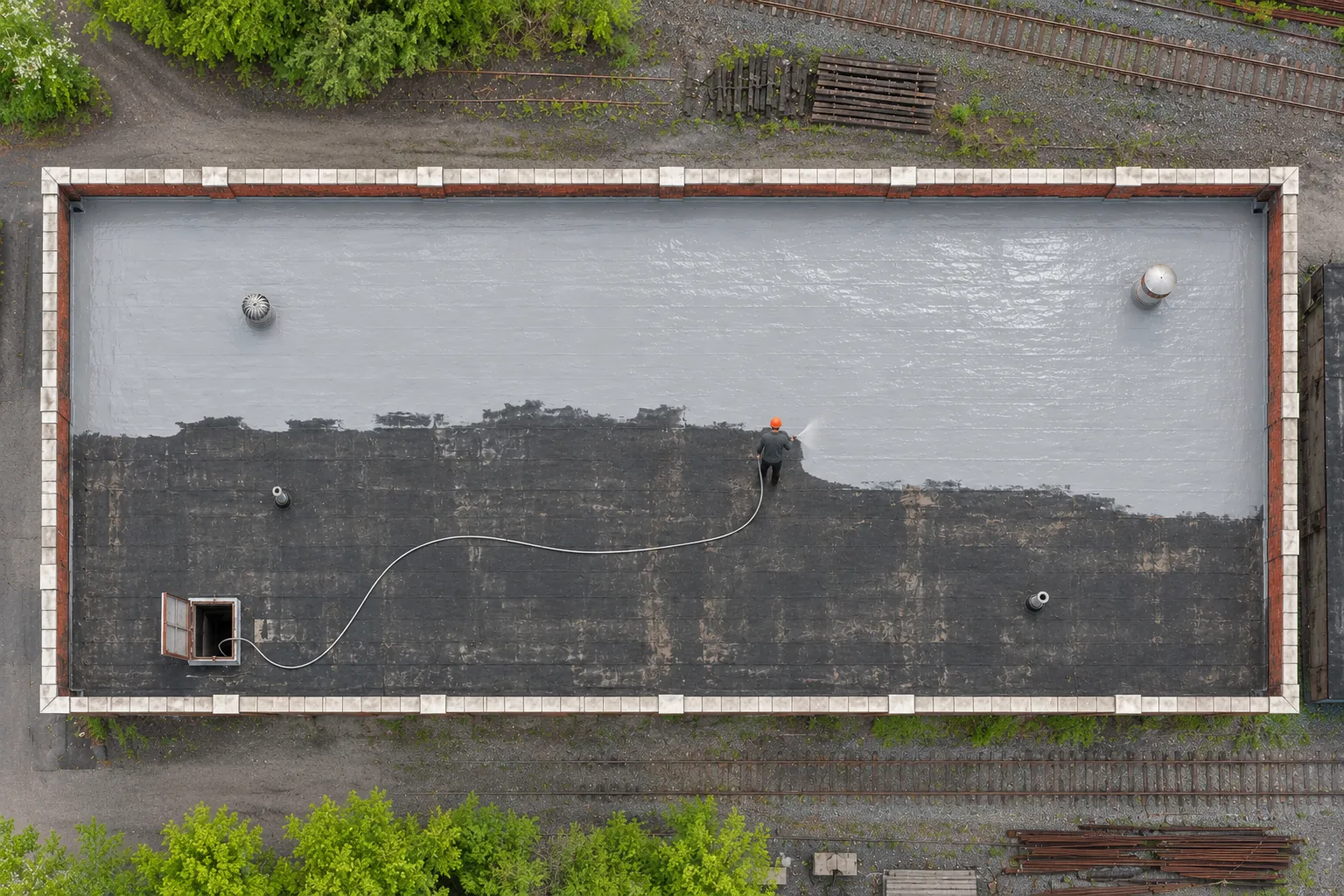
As a Reading silicone roof coating contractor, we coat low-slope metal and flat commercial roofs after drains, seams, and wet spots are dealt with.
Reading silicone roof coating suits low-slope roofs where water lingers. These checks tell us whether a roof is ready for it.
| Roof Detail | Ready For Silicone | Fix First Or Rethink |
|---|---|---|
| Drainage | Puddles drain within a day or two | Water stands for weeks over a sagging deck |
| Surface | Clean metal, single-ply, or old silicone | An acrylic coating already on the roof |
| Insulation | Dry when cored or checked from below | Wet layers under the low spots |
| Seams | Closed and sealed | Open seams with water running under them |
| Foot traffic | Occasional service visits | Daily crews crossing wet roof areas |
Low-slope roofs give away their problems both inside the building and on the surface.
Ceiling tiles brown out in a circle below each roof drain.
Drain bowls or clamping rings have loosened, and water seeps around them into the deck.
Service techs complain about slick footing near rooftop units after rain.
Silicone gets slippery when wet and collects dirt, so walkway pads belong on the service routes.
Leaks start a few days after a storm, long after the rain has stopped.
Ponding has found a seam or crack at a low spot and is feeding it slowly.
Musty smell and sagging tile in one corner of a warehouse.
Insulation under that section is wet, and it has to be replaced before any coating.
Bubbles show in an old coating and some have split open near the rooftop units.
Moisture got under a coating applied over a damp or dirty surface, so those areas are cut out and dried before silicone.
Silicone comes in more than one build. The roof surface and drainage set which approach we use.
On a clean, primed roof with good adhesion, a high-solids silicone goes on in one heavy pass at the specified mils.
Rougher surfaces and detail-heavy roofs get a base and a top coat, measured as finished thickness rather than coat count.
Seams, drains, and curbs get polyester fabric bedded in silicone before the field coat for extra build.
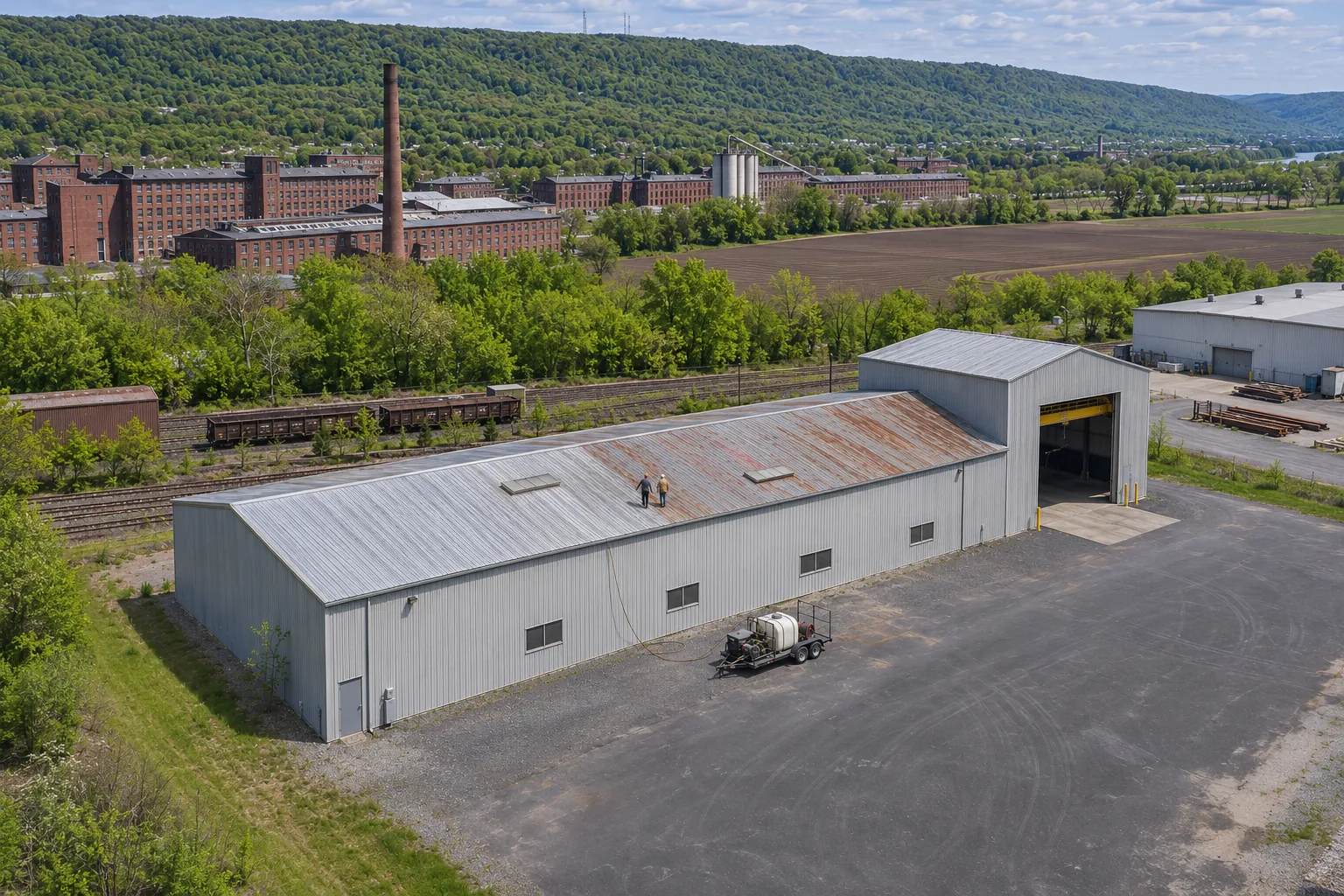
On the right roof, a silicone coating delivers these benefits.
Rated silicone tolerates ponding that would soften water-based coatings over time.
The film keeps its stretch through hot afternoons and freezing nights.
A continuous silicone film closes the seams and penetrations that leak first on low-slope roofs.
Worn areas get washed and recoated with silicone instead of stripped off.
Ponding is where silicone earns its keep, once we know why the water sits. Start with a ballpark range for your roof.
Get A Free EstimateSilicone sticks only to a clean, dry, compatible surface, so preparation sets the schedule.
We find every low spot, check drains, test insulation under ponding areas, and confirm what coating, if any, is already there.
Clogged or loose drains are repaired, and wet insulation under low spots is cut out and replaced.
After a thorough wash, small test patches with primer show how well silicone will grip each surface.
Details get fabric and silicone first; the field coat goes on until the gauge reads the specified mils.
Silicone often covers the flat section while another system handles the rest of the building.
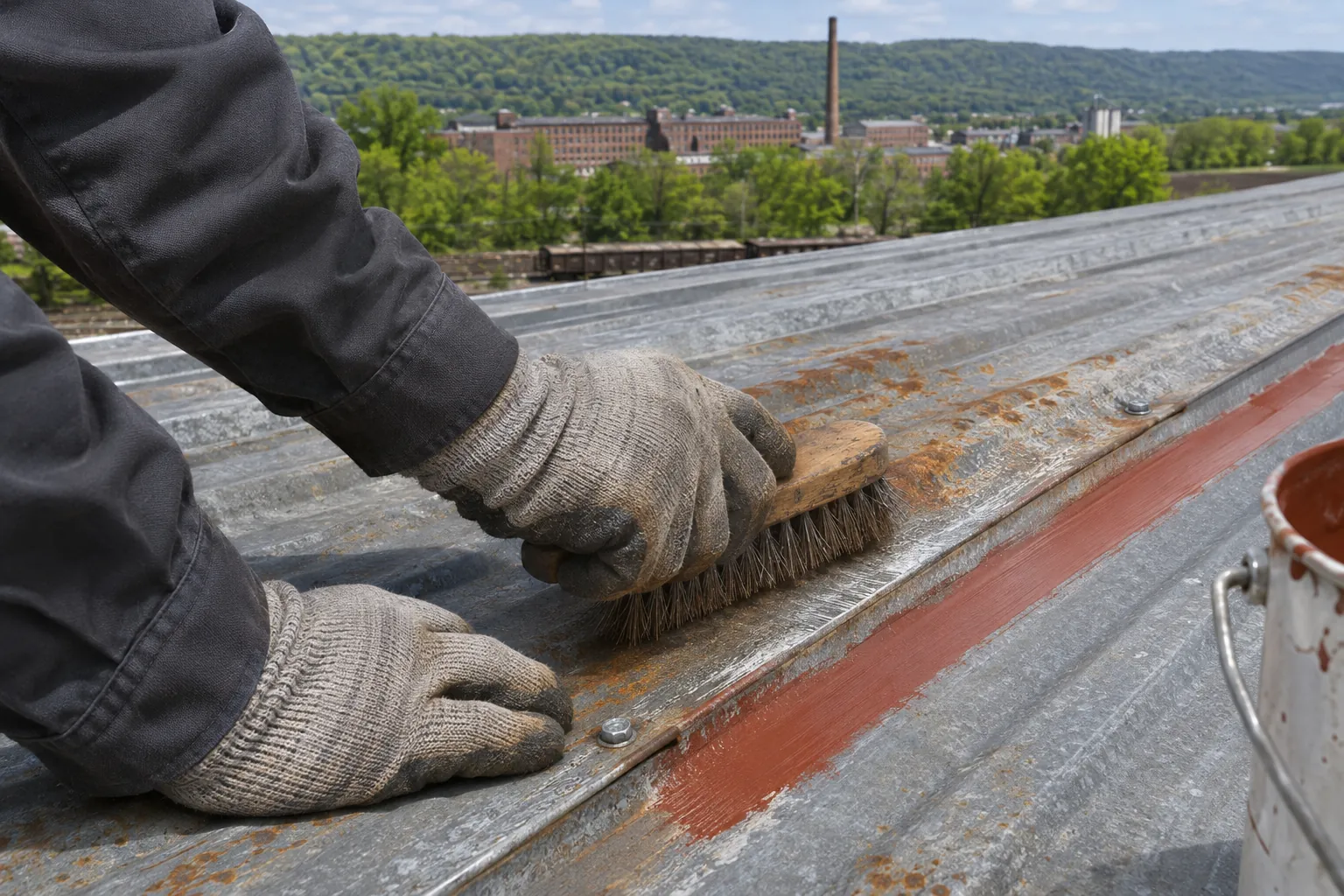
Steel panels around the low section need fastener and lap work before either coating goes on.
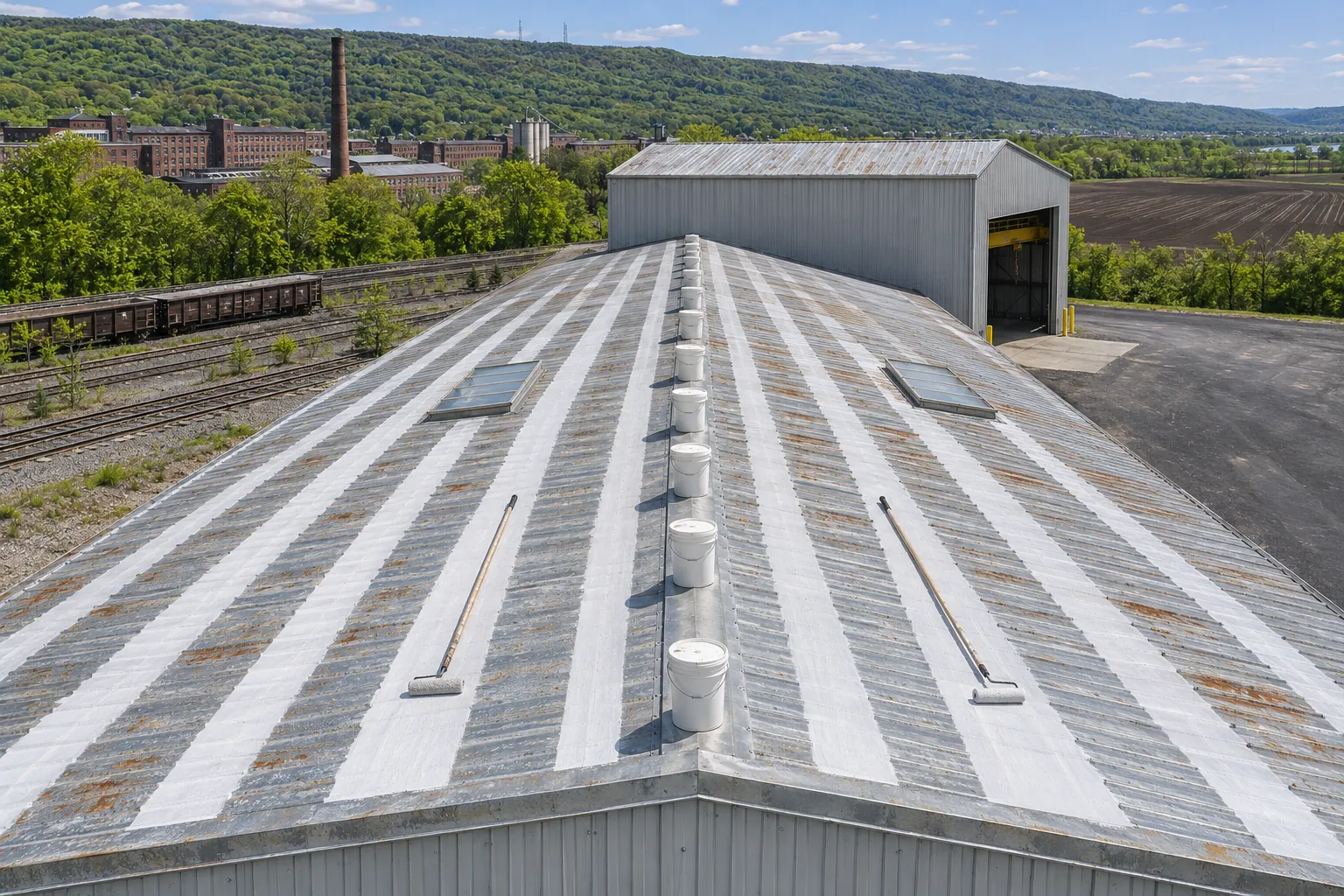
Pitched panels above a flat area that drain quickly can take acrylic instead.
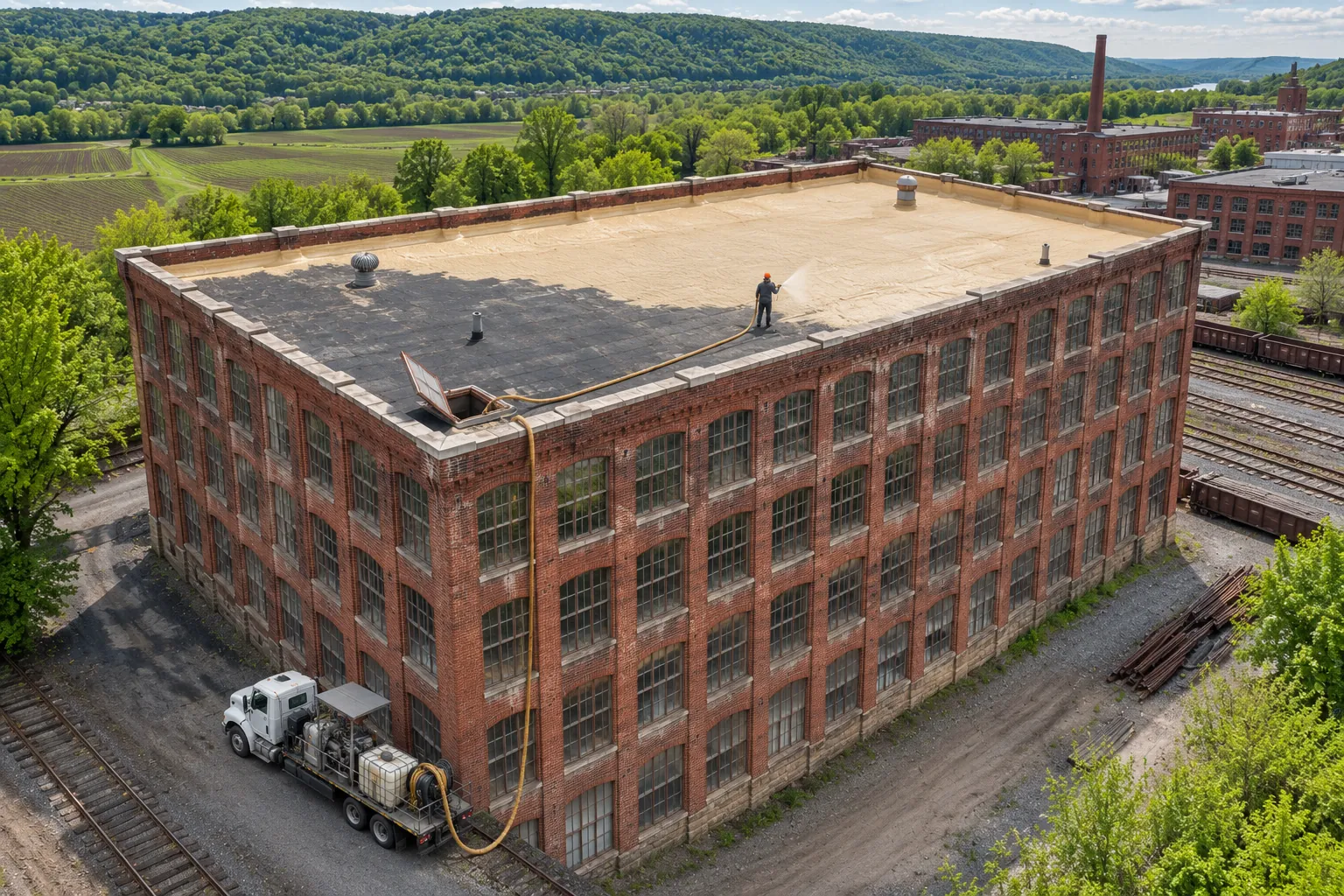
Flat roofs that also need insulation can take foam, finished with a silicone topcoat.
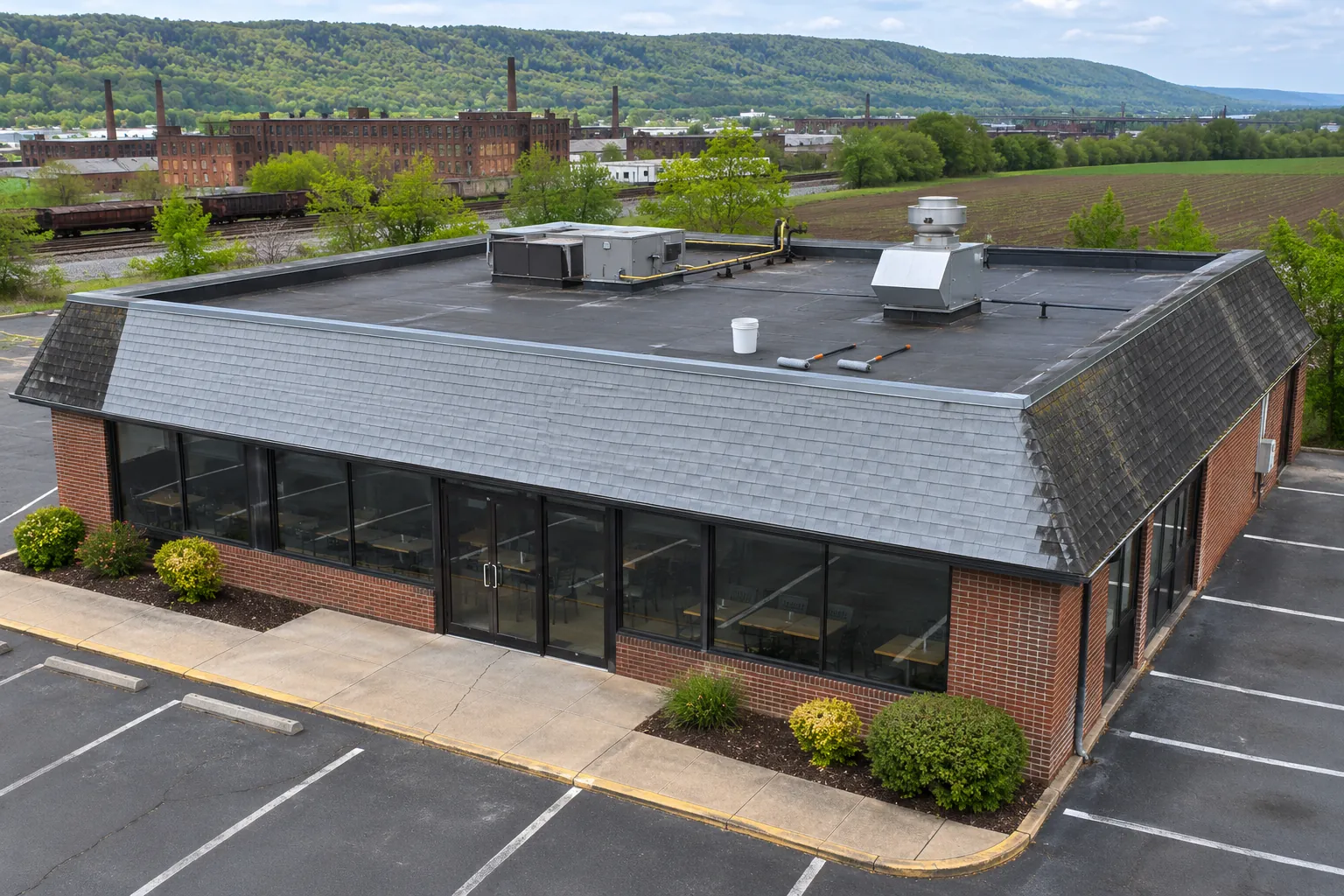
Shingle sections tied into a flat roof get their own inspection and product check.
Yes. Wet silicone is slick, which matters on roofs where technicians service equipment often. We talk through service routes and plan walkway pads or a textured finish on them. Dirt pickup and future repair compatibility are part of the same conversation.
Coat count alone tells you little. Finished thickness and the quality of the prep matter far more. We follow the product requirements, check coverage at ribs and seams with a gauge, and treat later damage as a repair item.
Find out why it drains slowly first. We look for low spots and blocked outlets, then compare products. Some silicones tolerate standing water, but drainage faults and wet material below still need fixing.
Silicone service life comes down to film thickness, adhesion, foot traffic, and how well the roof drains. A roof coated at full thickness over a clean, primed surface lasts far longer than a thin coat over dirt.
Regular washing and early touch-ups at walkways extend it further.
On flat and low-slope roofs with any ponding, silicone is usually the safer pick because it tolerates standing water. Acrylic fits pitched roofs that dry quickly and is easier to recoat with other products. Once a roof has silicone, every recoat stays silicone.
Over clean silicone that is still bonded, yes. Over acrylic or asphalt coatings, only after an adhesion test with the right primer, and some surfaces have to be removed. We run small test patches before quoting, since adhesion is the one thing silicone cannot fake.
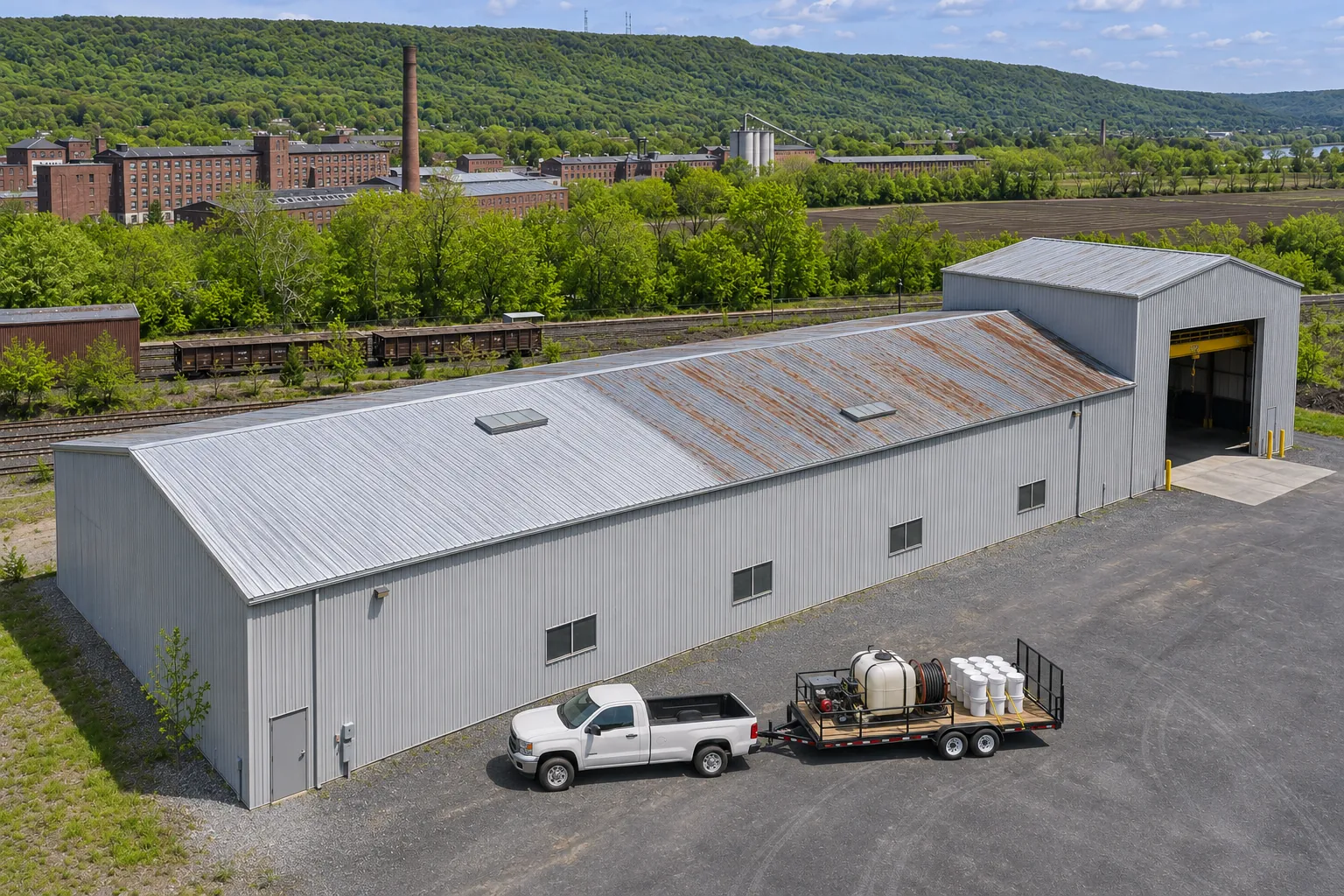
Send the roof size and where the water sits. We will inspect the drains and tell you if silicone fits.